Premium colour capsicum
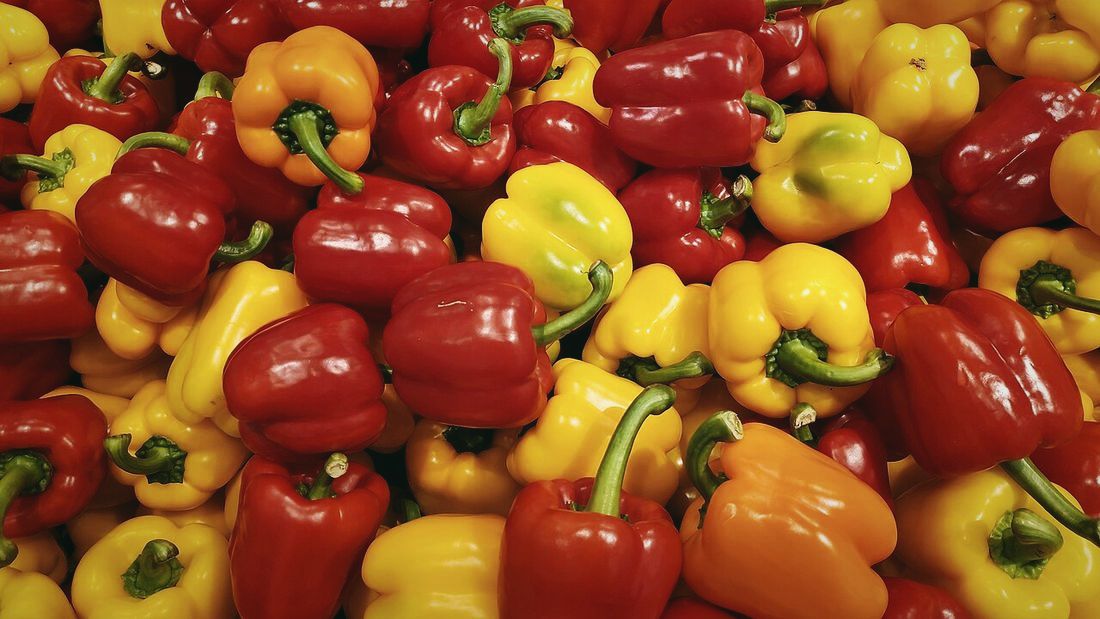
Sweet, thick-walled red, yellow and green bell peppers for hotels, modern retail and wholesale markets that pay for quality.



From India's perfume city: red, yellow and green capsicum, raised in a 4,000 m² polyhouse and picked only when it is ready.
For centuries, Kannauj has turned flowers into attar. We turn sunlight, water and careful records into something just as precious: colour capsicum, grown under cover and picked only at its peak.
Crimson Earth is a protected-cultivation farm on the edge of India's perfume city. Since 2024 we have been building what most Indian farms still lack: high-value crops, steady quality and costs we can see every single day.
Sweet, thick-walled red, yellow and green bell peppers for hotels, modern retail and wholesale markets that pay for quality.
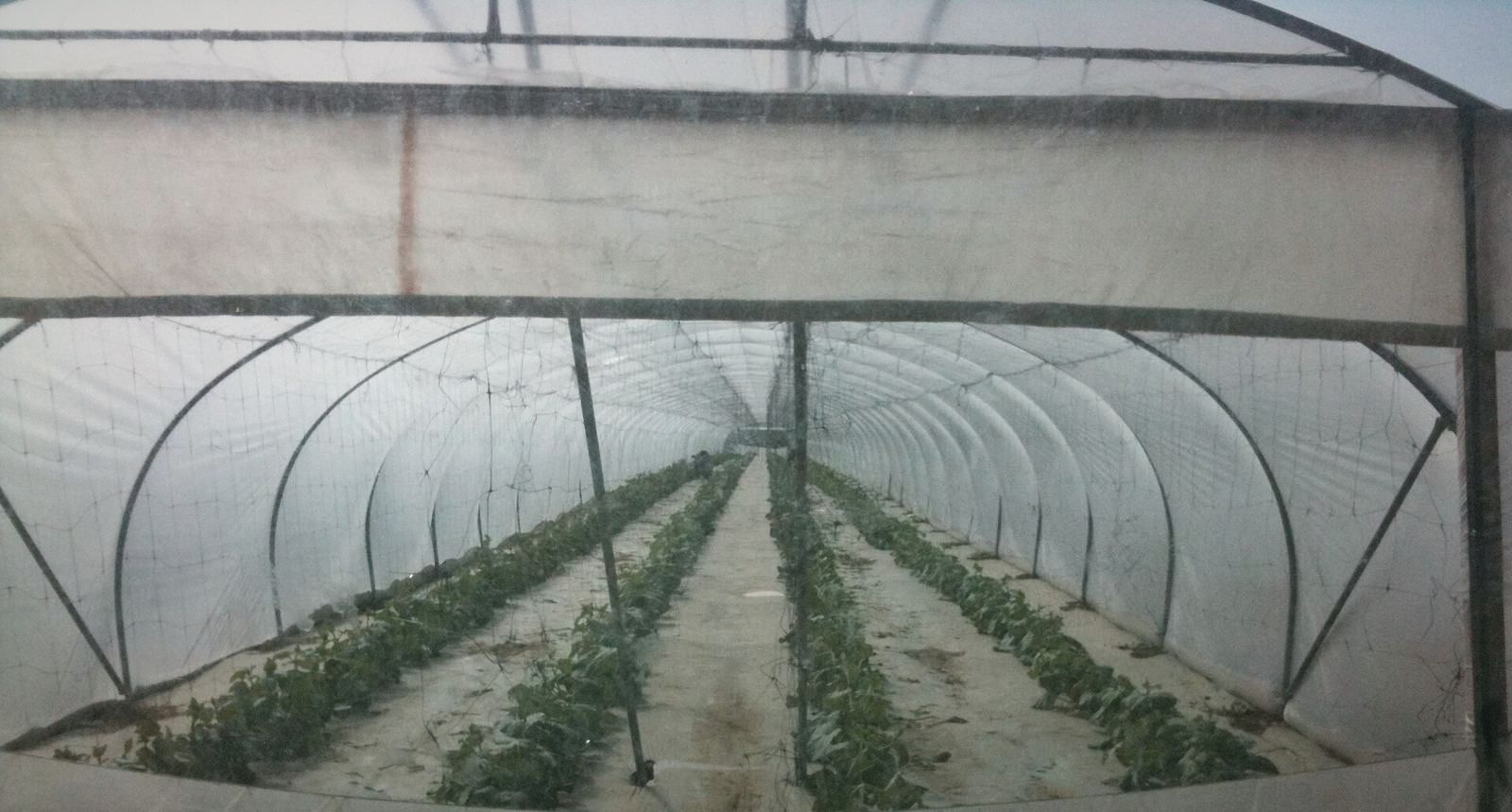
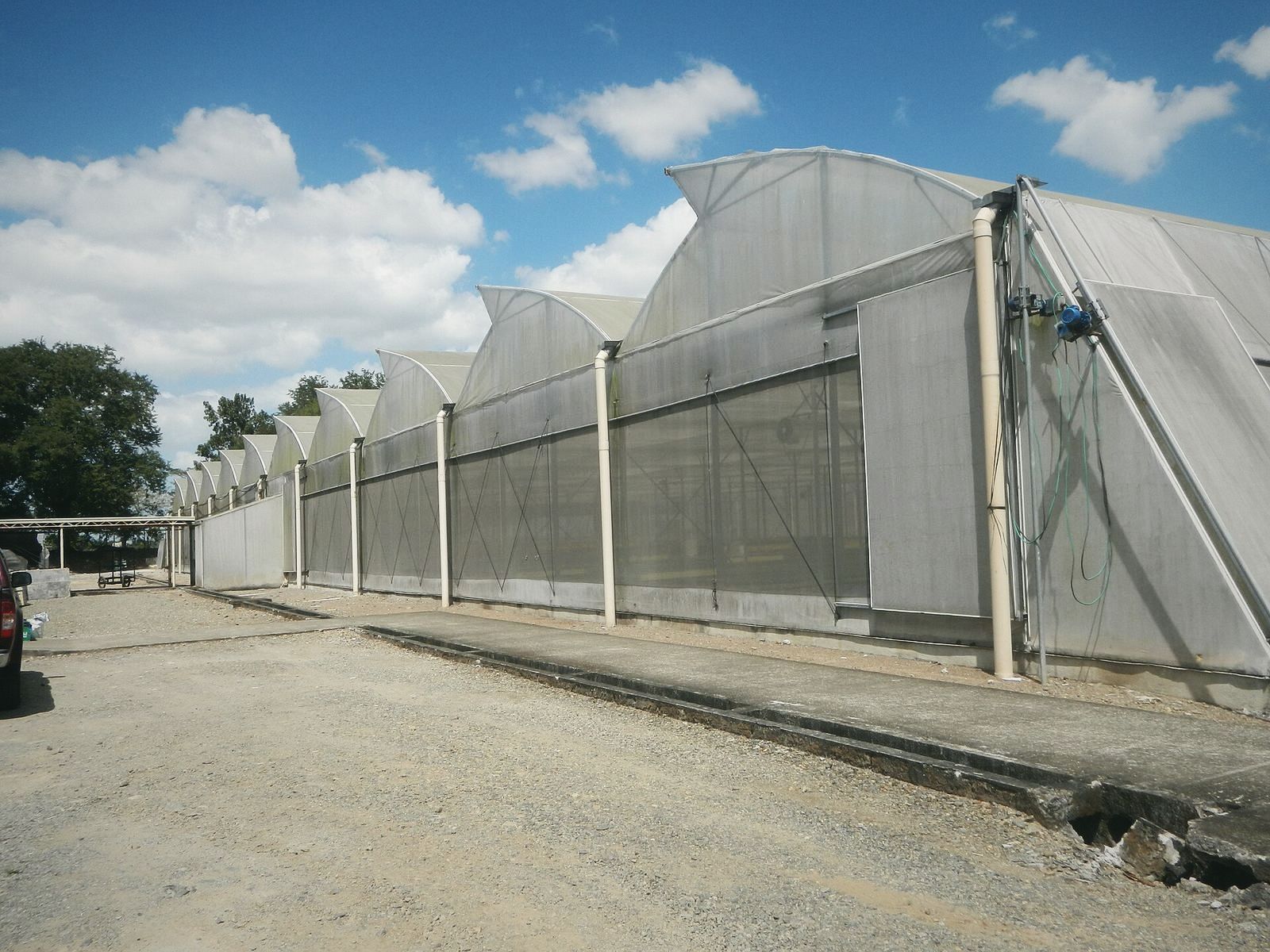
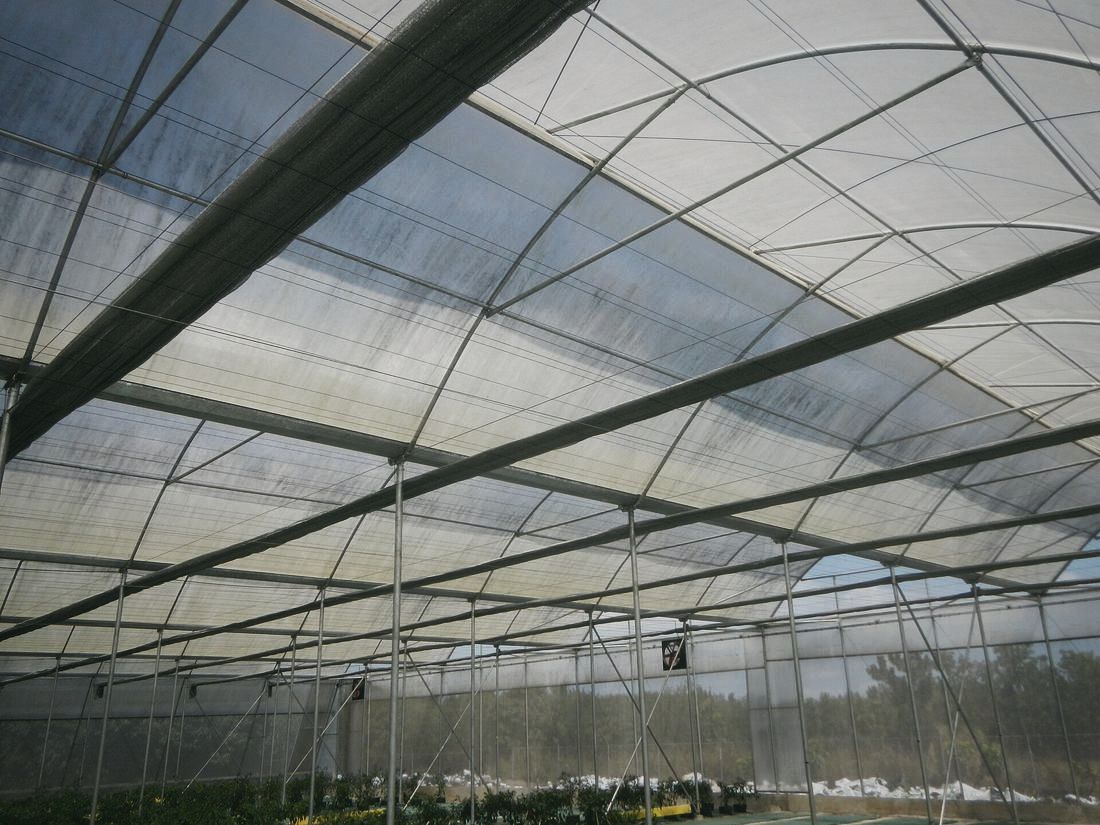
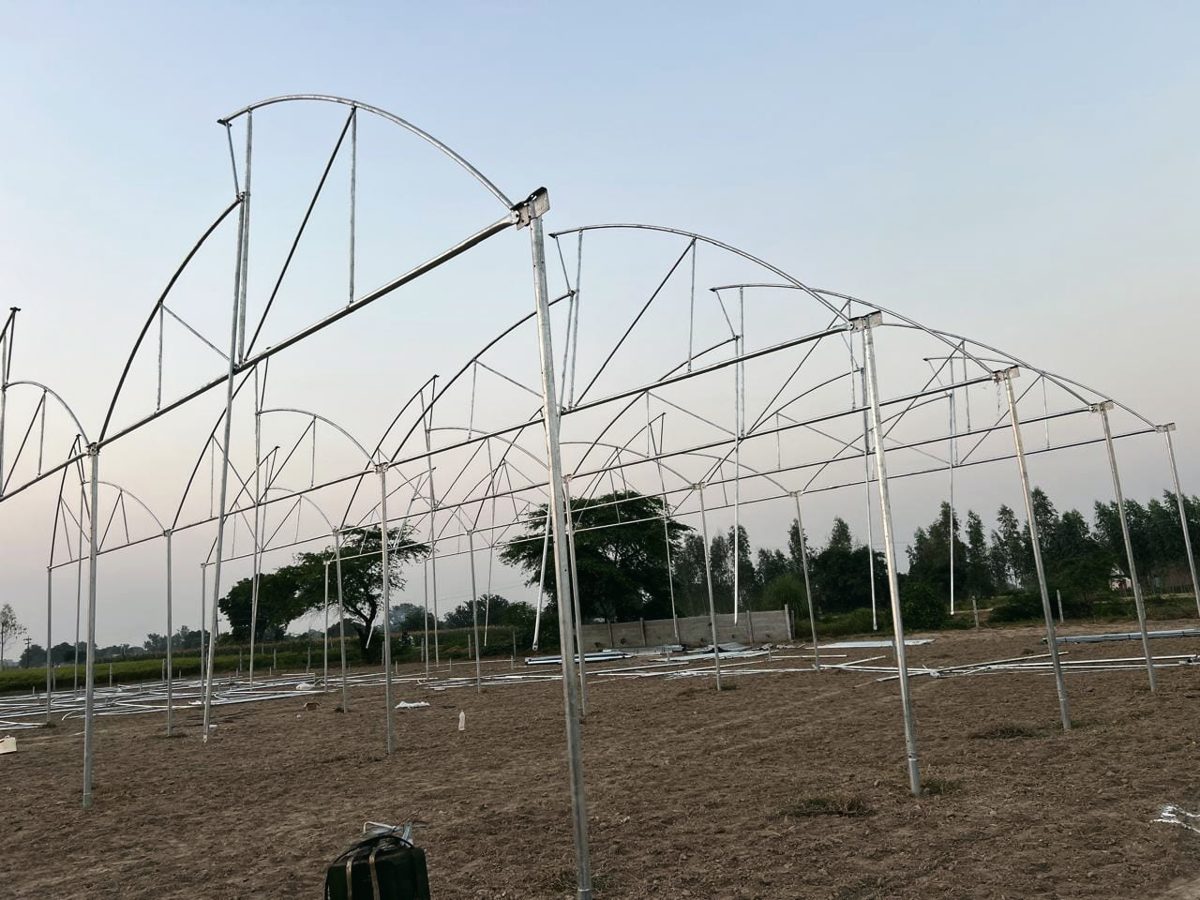
A 4,000 m² polyhouse shields the crop from rain, hail and pests, while drip lines feed each plant exactly what it needs and nothing more.
Labour, inputs, temperature and harvest are logged daily in Crimson Farm OS, the software we built for ourselves and now offer to other farms.
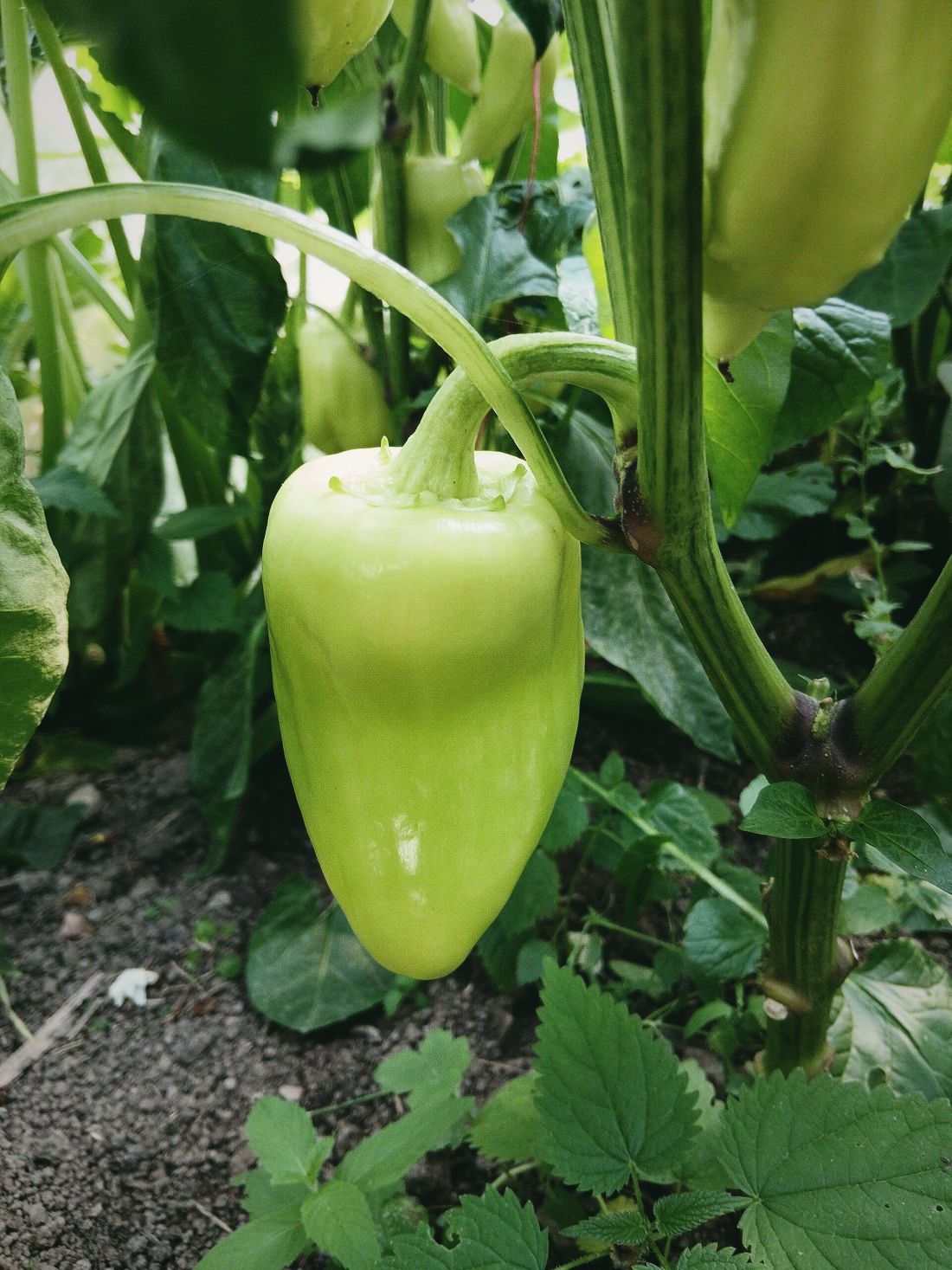
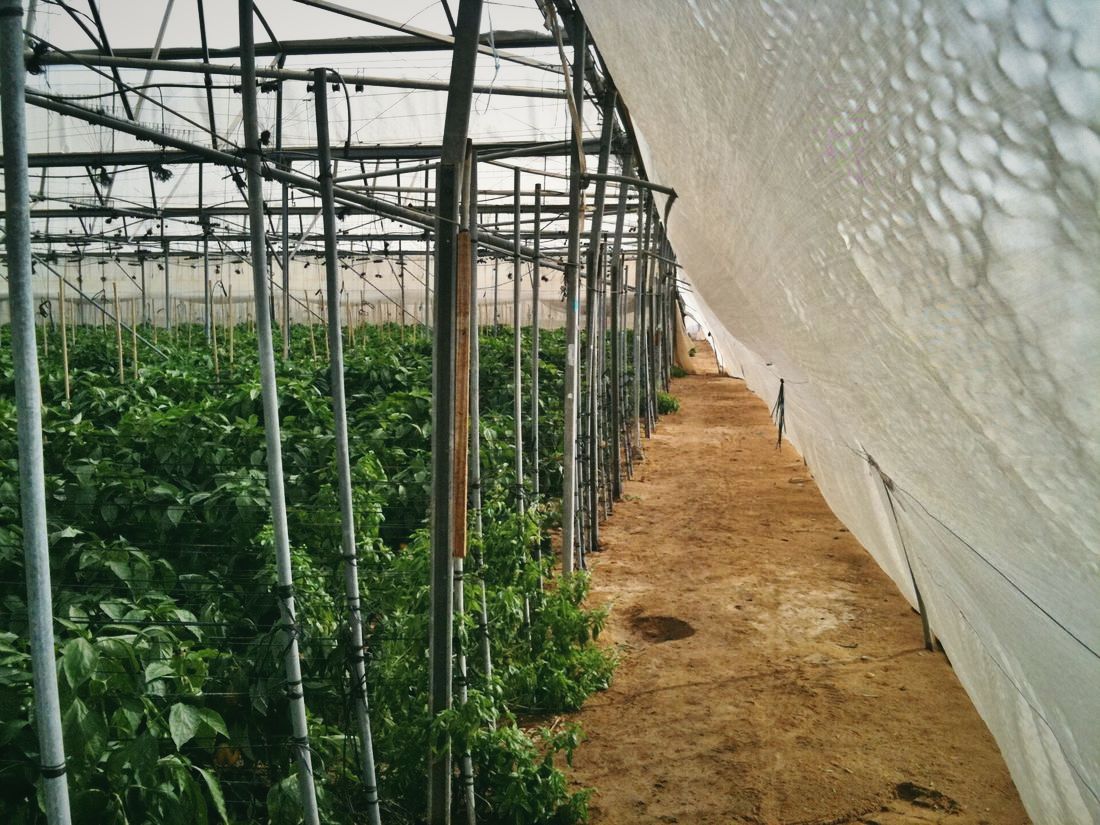
Each fruit stays on the plant until it has turned fully, then it is picked by hand, graded and packed the same day.

The sweetest of the three. Thick walls and a deep gloss, picked only once it has turned fully red.
Mild and honeyed, with a colour that brightens any plate. Picked at full yellow.
Crisp and fresh. Picked mature-green for everyday cooking, in bulk.
Four stages, one season, and every step written down in Farm OS.
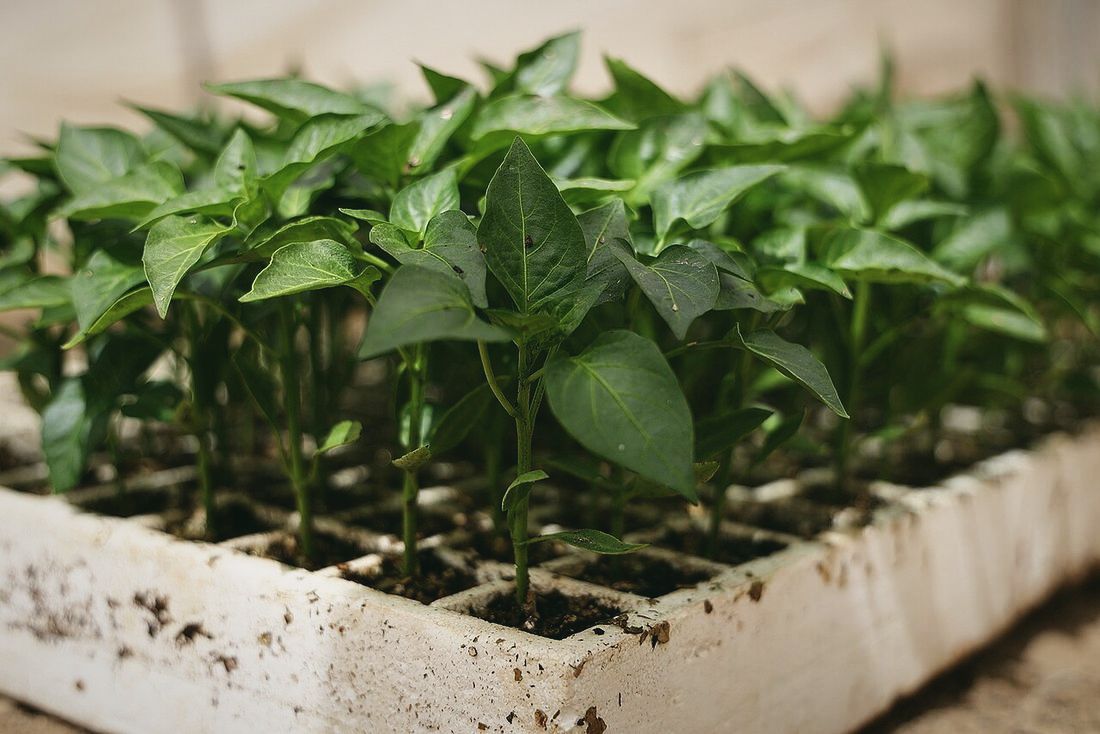
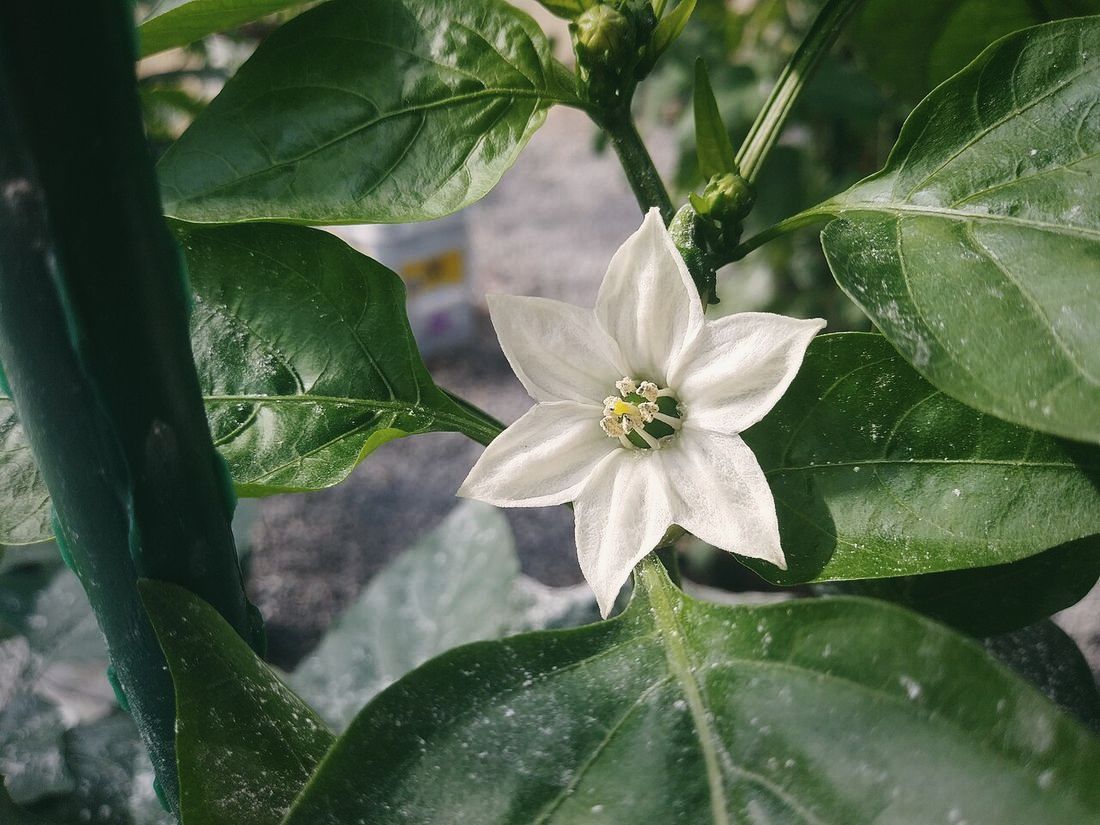
Every crop starts as a tray of even, healthy seedlings, hardened before they go into the polyhouse.
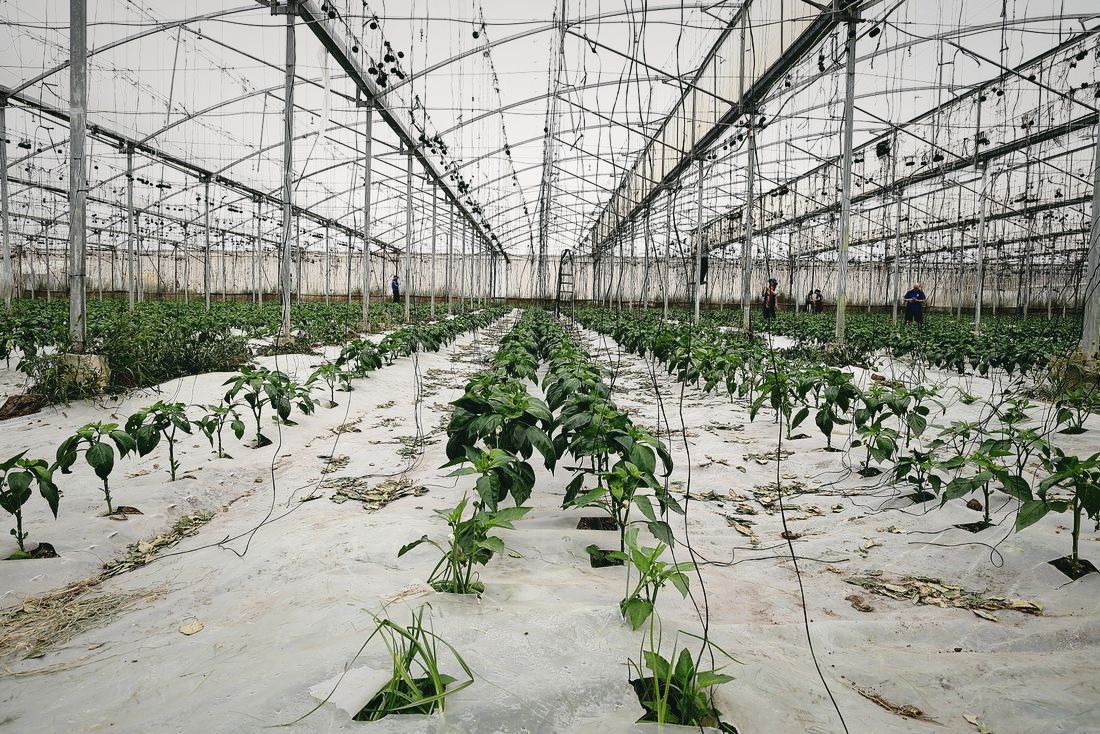
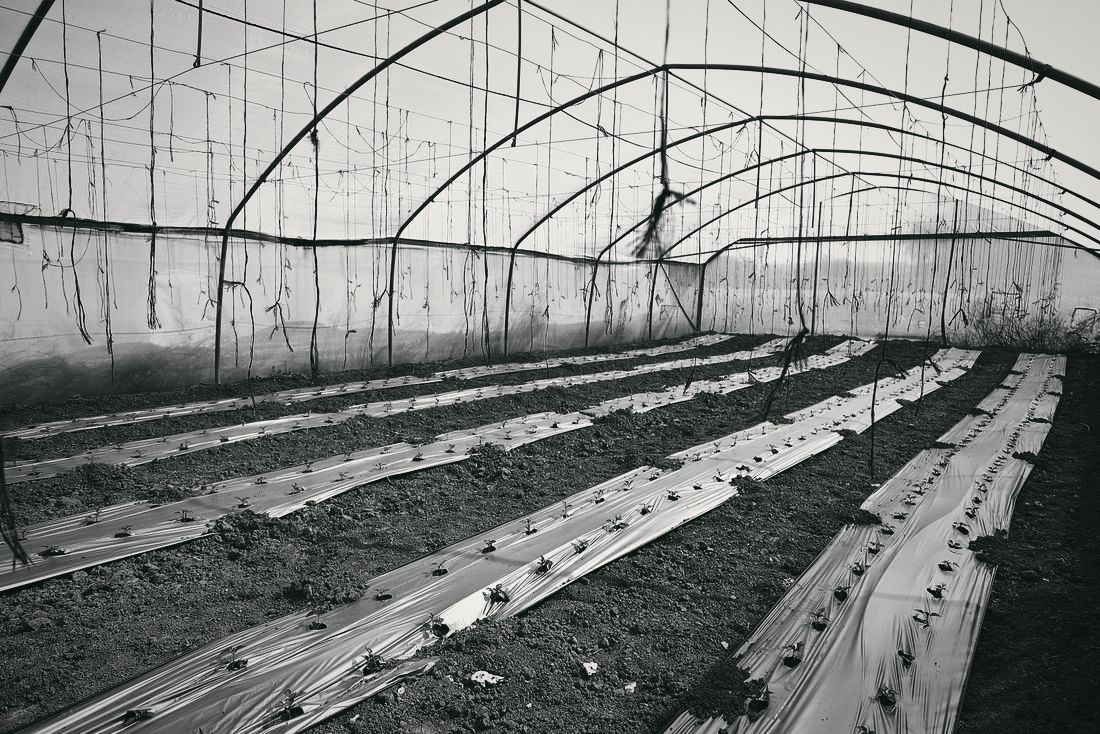
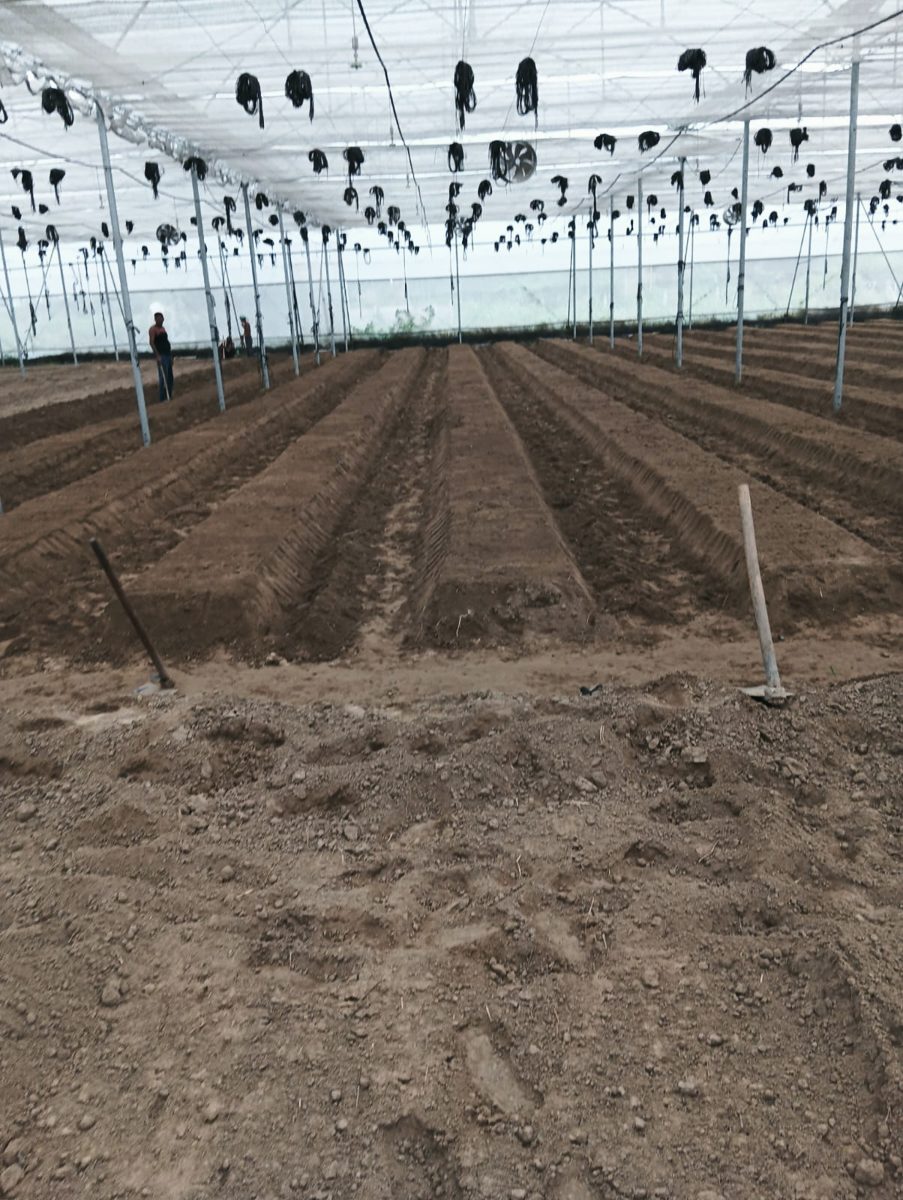
Seedlings go into raised, mulched beds, with a drip line running to every plant.
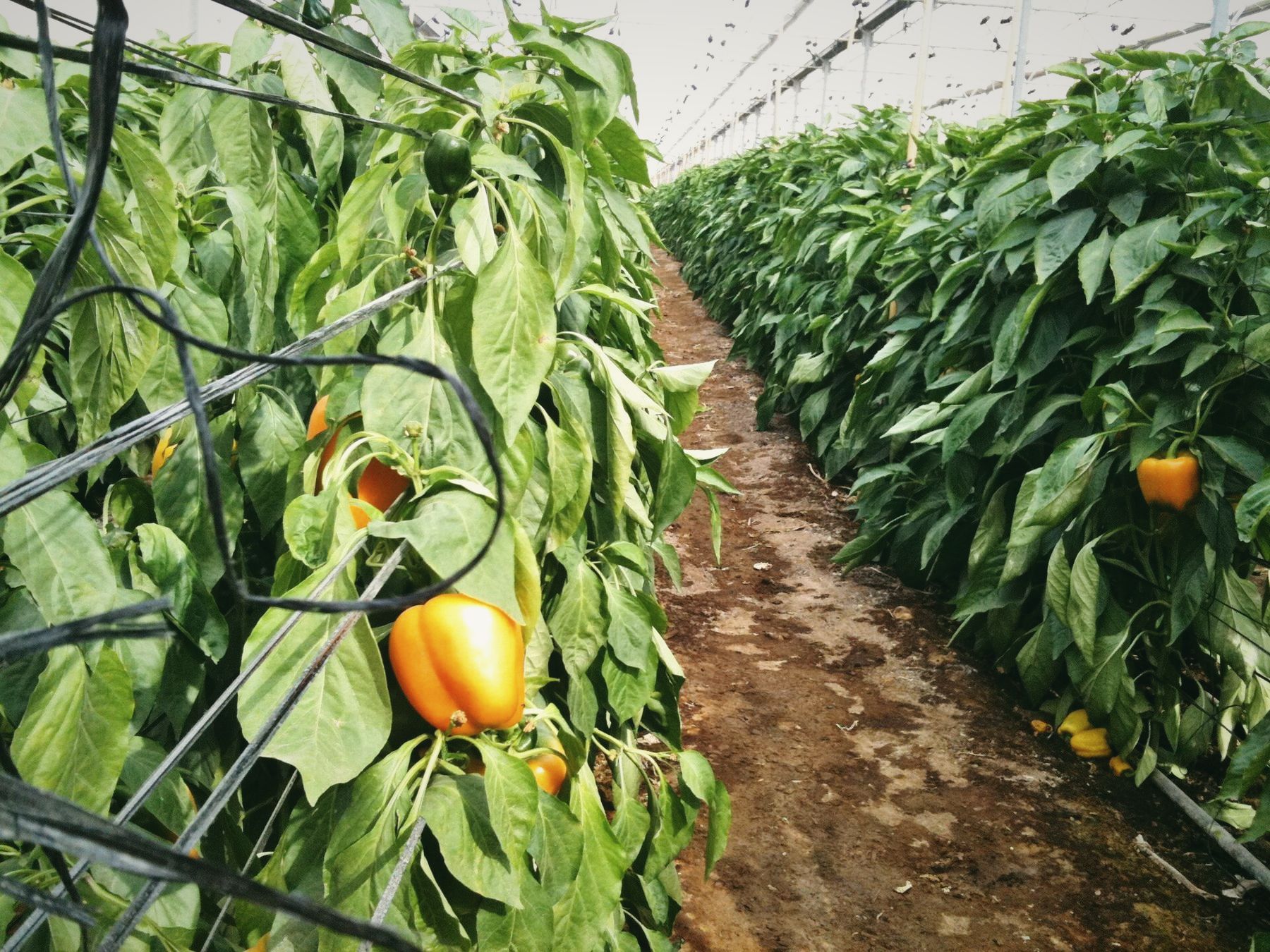
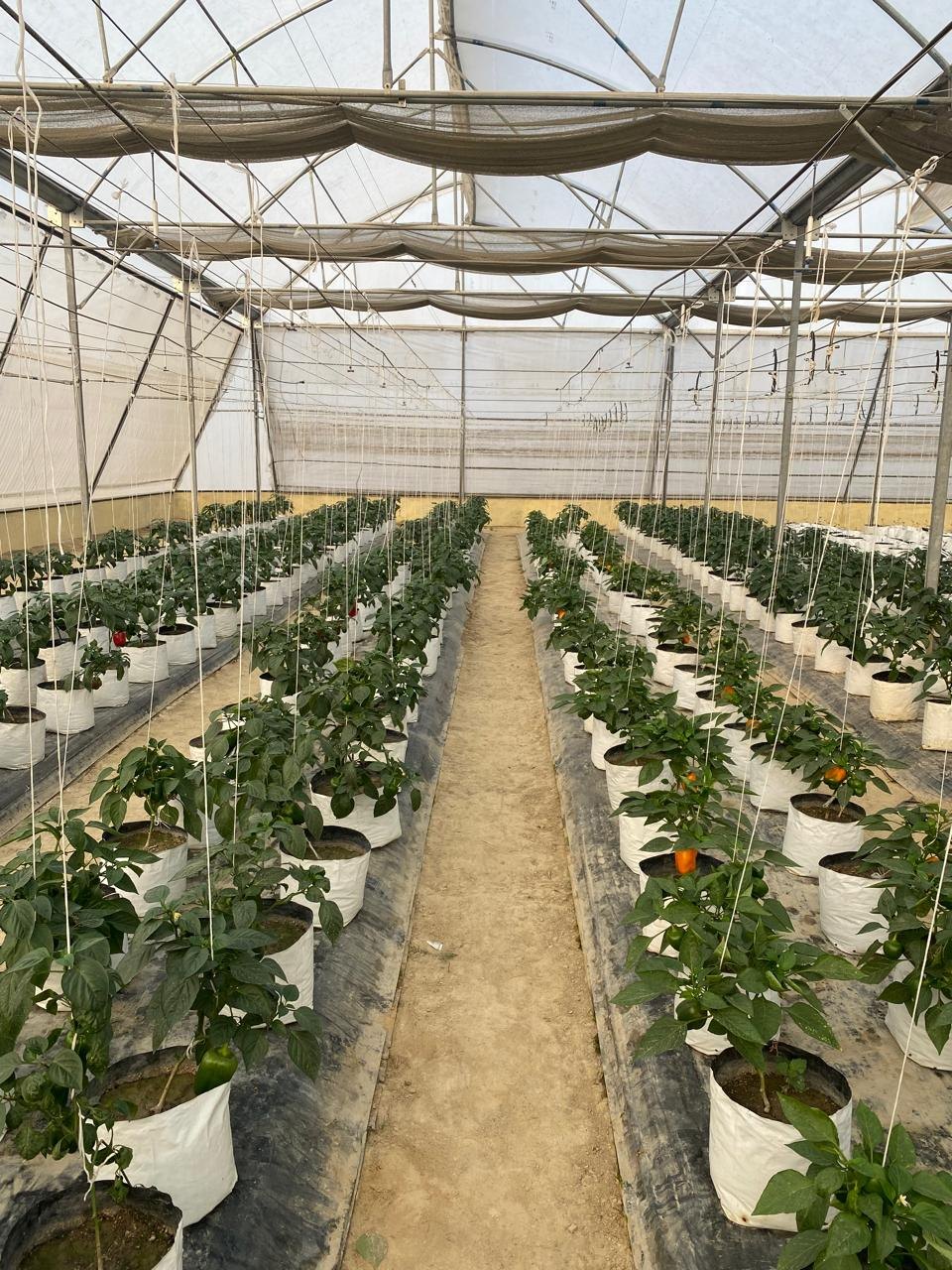
Plants are trained up twine to the roof, fed by fertigation and scouted every morning.
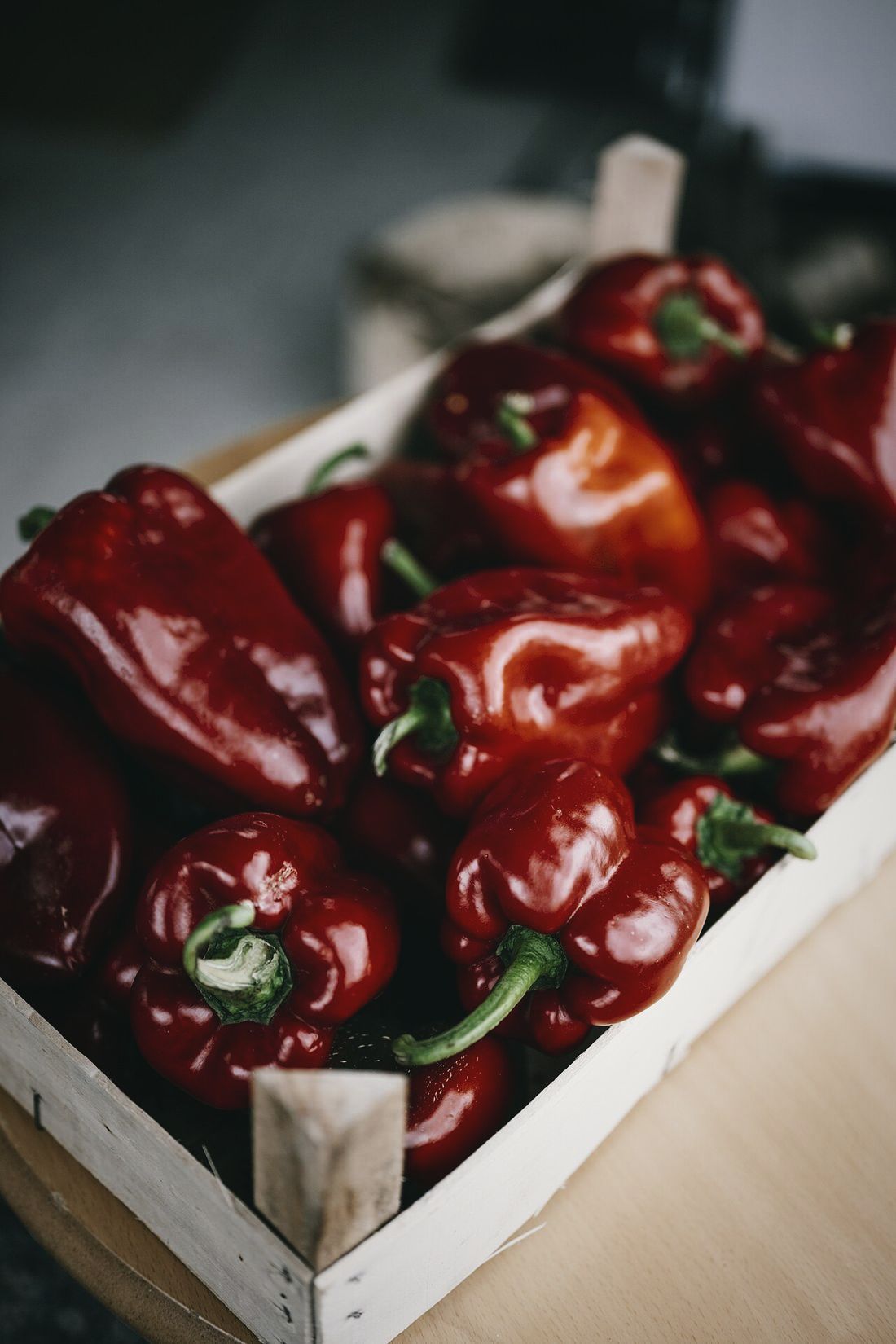
Picked at full colour, sorted by size and finish, and packed to the buyer's grade.

Started in Kannauj with one aim: high-value vegetables, grown under protection and sold on quality.
Colour capsicum went into the 4,000 m² polyhouse on 26 July 2026.
Our own farm app: Hindi voice logs, daily sheets read by AI and owner-only finances.
Picking is under way, with red, yellow and green capsicum coming off the vines every week.
I have always believed that agriculture should not be seen merely as a traditional livelihood. With the right technology, infrastructure, market understanding and an entrepreneurial mindset, it can be a sophisticated, scalable and highly profitable business.
Crimson Earth is my attempt to build that future.
India is entering a new phase of agriculture. The conversation is slowly moving from one question to another.
“How much land do you own?”
Tomorrow“How efficiently can you produce, what quality can you deliver, and who is willing to pay a premium for it?”
That shift creates an enormous opportunity.
To build North India's largest cluster of protected cultivation infrastructure: polyhouses, net houses and modern farming systems at a scale where agriculture behaves like a well-designed industrial operation.
The biggest limitation of conventional farming is that it depends on things we cannot control.
Protected cultivation changes that equation. Polyhouses and net houses create a controlled growing environment, use resources more efficiently, produce premium-quality crops and align production with what modern consumers and institutional buyers need.
Not simply a farming technique, but agricultural infrastructure for the next generation of Indian food businesses.
Something exciting is happening across India. A new generation is entering agriculture with a completely different mindset, bringing technology, data, finance, branding, supply-chain thinking and consumer understanding into an industry that has long been fragmented and unorganised.
They are not just asking“What can I grow?”
They are askingThat change in mindset can transform Indian agriculture. The farmer of tomorrow will think like an entrepreneur:
For decades, agriculture has been seen mainly through the lens of land ownership and traditional farming. I see it differently.
Agriculture can be an asset-backed, technology-enabled, market-driven business.
Land is only one component. The real value is created through:
Rather than building isolated farms, my ambition is a cluster-based model of modern agriculture: many protected cultivation units working together, sharing efficiencies in procurement, operations, manpower, technology, logistics and market access.
The objective is simpleBuild scale without compromising quality.
My long-term ambition is a large ecosystem of polyhouses and net houses across North India: a concentrated hub for high-value horticulture, where farmers, entrepreneurs, technology providers, buyers and agricultural professionals all take part in the same ecosystem.
A place where production is planned around demand.
Where technology is used to make decisions.
Where quality is consistent.
Where resources are used efficiently.
And where agriculture is measured by returns, productivity and impact, not just acreage.
Crimson Earth started with a simple belief.
India does not need more agriculture.
India needs better agriculture.
We want to build an agricultural business that sits at the intersection of
This is not an attempt to move away from agriculture. It is an attempt to move agriculture forward.
And for me, this is only the beginning. Crimson Earth is the first step towards a larger ecosystem of modern, commercially viable and sustainable agriculture across North India.
Building Crimson Earth · Kannauj, 2026
Our own farm app, live at crimsonearthos.in. Workers log the day by voice in Hindi, English or Hinglish, or with a photo of the paper sheet. Owners see costs, stock and harvest in real time, and every crop cycle stays on record.
Cloudflare · Supabase (Mumbai) · Google Gemini
 Farm OSStaff
New entry · बोलकर लिखें
आज 12 मजदूर आए, सबको नगद दिया। बेड 3 में 2 बोरी खाद डाली।
Daily sheet · photo
Staff and managers never see money
Owner dashboard · sample figures ● Live
Owners and co-owners get the same report
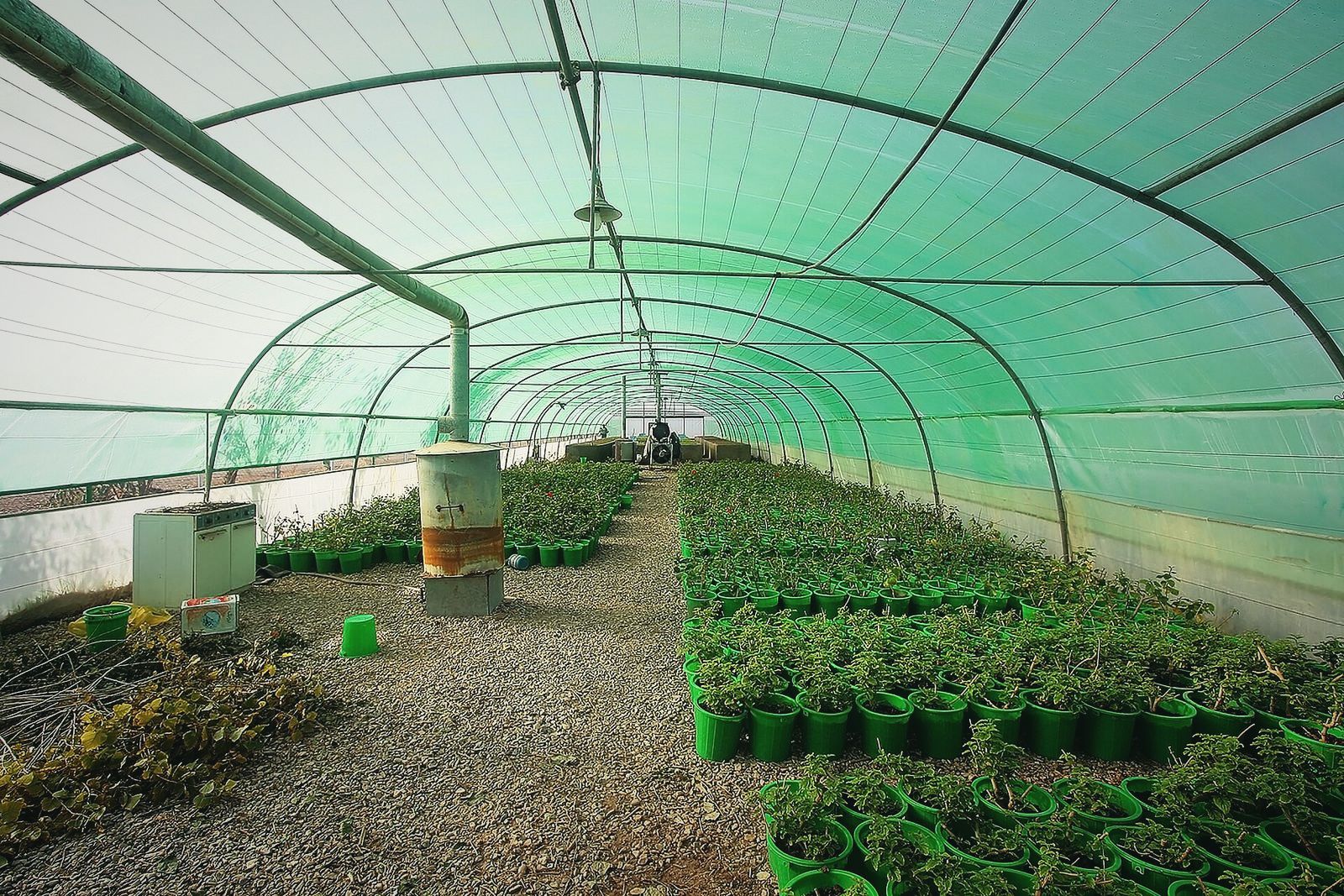
From bare mulched beds to rows taller than a person. Photos are from polyhouses like ours; see the credits below.